How to incorporate ro…
How do textures, fabr…
How do textures, fabr…
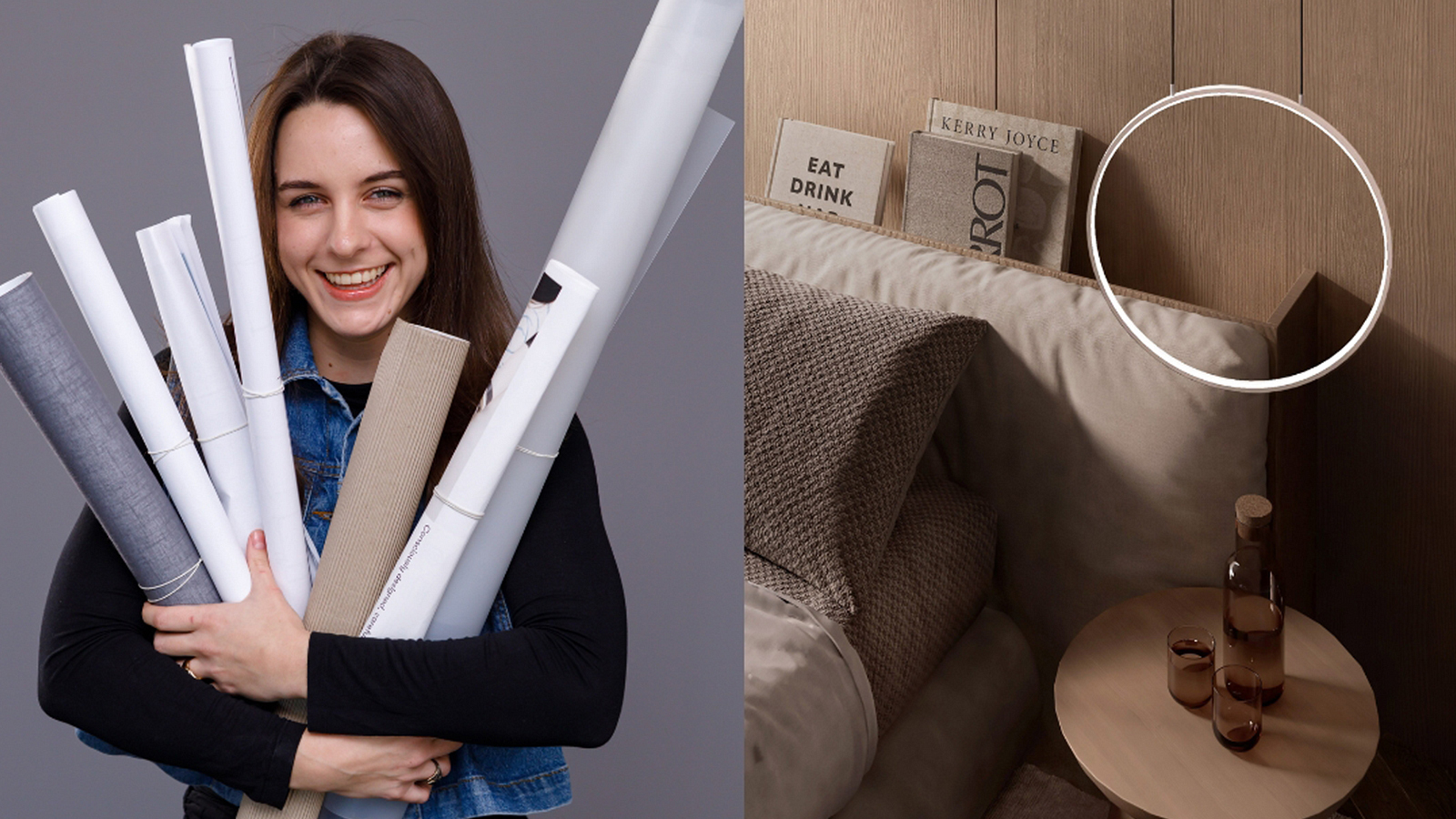
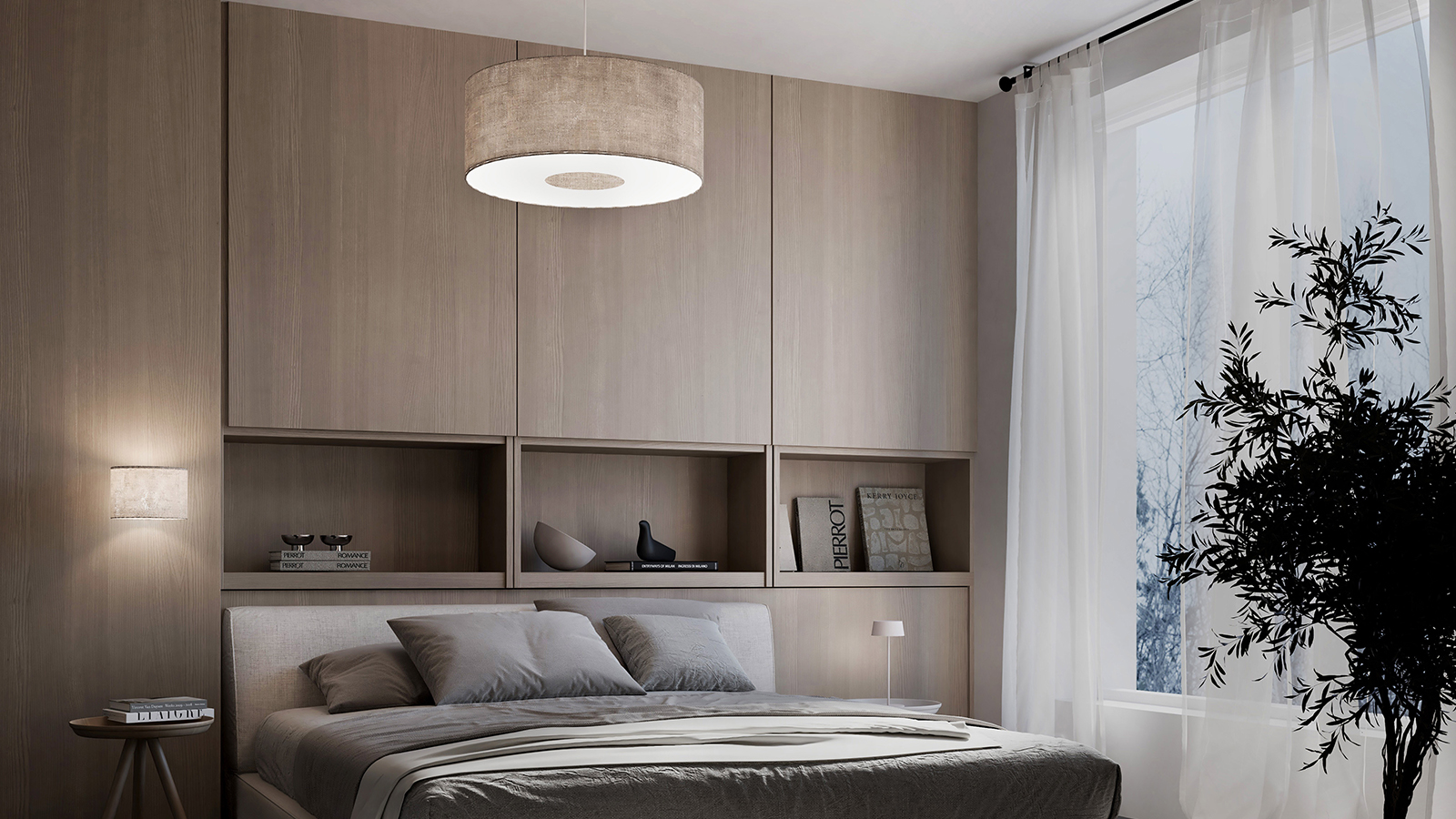
Most interiors start with straight lines. Walls define boundaries, furniture organises the space, and built-in units follow right angles. This is natural – architecture is based on geometry, which makes an interior clear and functional. But today, interior design is increasingly showing a shift towards curves. They are appearing in furniture, mirrors, headboards and kitchen islands. Sharp edges are giving way to soft lines, and spaces are becoming more welcoming and ‘human’, less formulaic. In this context, round lamps play a special role. How do they work within an interior, and how should they be arranged? We sought answers in a conversation with Wiktoria Morawska from the Design Lab department at Nowodvorski Lighting.
How do textures, fabrics and details create an atmosphere you can really feel?
Interiors are more than just wall colours and furniture arrangements – above all, they are an experience. It’s sometimes hard to pinpoint why we feel at home in one place, yet cold and out of place in another. The answer often lies in the materials. Their texture, colour palette and the way they interact with light create an atmosphere that you simply feel.
How do textures, fabrics and details create an atmosphere you can really feel?
Interiors are more than just wall colours and furniture arrangements – above all, they are an experience. It’s sometimes hard to pinpoint why we feel at home in one place, yet cold and out of place in another. The answer often lies in the materials. Their texture, colour palette and the way they interact with light create an atmosphere that you simply feel.
How to incorporate ro…
How do textures, fabr…
How do textures, fabr…
Brak produktów w koszyku
All products